12 / 2020 / NL2 · ANIMATION

AURORA
CUSTOM
ROLLER COASTER

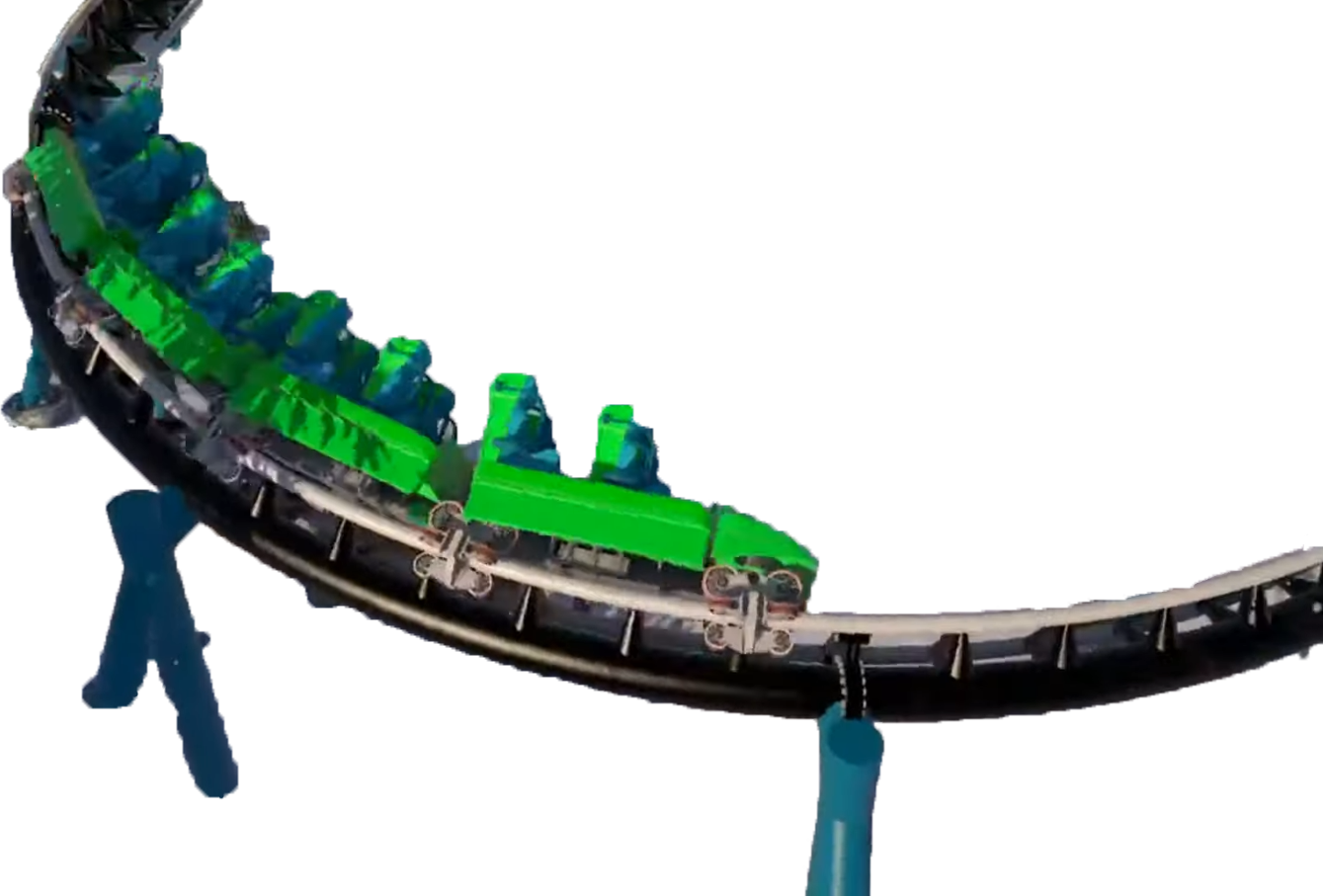
A custom roller coaster designed in NoLimits 2 and presented through a cinematic showcase built from rendered clips, ride footage, and music.

SOFTWARE NoLimits 2
OUTPUT Cinematic YouTube Showcase
FOCUS Roller Coaster Design,
Physics Simulation,
Cinematic Editing
01

THE OBSESSION

I developed an obsession with roller coasters and coaster design in middle school, eventually starting a list on my phone of every coaster I had ridden — a list that is now approaching 300.

I started experimenting with coaster-building games like Roblox Theme Park Tycoon, Planet Coaster, and Ultimate Coaster X before eventually discovering NoLimits 2.

02

LEARNING HOW COASTERS WORK

Alongside designing rides, I was learning how real roller coasters function: block zones, transfer tracks, control logic, train spacing, and the practical systems that make a ride operate safely and reliably.

A lot of that came from visiting amusement parks, studying existing rides, experimenting in simulation software, and doing my own research.

03

WHY NOLIMITS 2

NoLimits 2 is far more demanding than most coaster-building games. Its physics simulation and visual realism make it feel much closer to engineering software than a traditional game.

After making many rides in NL2, Aurora was the first one that felt distinctive enough that I wanted to present it as a finished project, rather than just another saved coaster file.
04 / FINAL SHOWCASE YOUTUBE CINEMATIC
BUILT IN NOLIMITS 2

FROM SIMULATION TO CINEMATIC

Once Aurora was finished, I used NoLimits 2's built-in rendering tools to capture a collection of cinematic shots and ride footage. I then edited the clips together with music into a short showcase and published the finished project to YouTube.

The video became the final artifact of the project: not just a recording of the coaster, but a way to present the pacing, scenery, motion, and personality of the ride as a complete experience.

OPEN ON YOUTUBE ↗
05 / WHAT THIS PROJECT TAUGHT ME DESIGN THROUGH SIMULATION
01

REALISM CHANGES DESIGN

Designing in a physics-based simulator forces you to think beyond what looks cool and consider how speed, forces, transitions, and train behavior affect the actual ride experience.

02

SYSTEMS MATTER

The coaster itself is only one part of the design. Block sections, transfer tracks, station behavior, and control systems are all part of making the ride function like a believable real-world machine.

03

PRESENTATION MATTERS TOO

Creating the cinematic taught me that the way a technical project is shown can completely change how people understand it. Camera placement, pacing, editing, and music turned the simulation into something that felt finished.

06 / WHERE IT STARTED

AN EARLY DESIGN PROJECT THAT STUCK WITH ME

Aurora came from the same curiosity that still drives a lot of my work: wanting to understand how complicated things function, then trying to build my own version. It was one of my earliest projects where simulation, engineering logic, visual design, and presentation all came together in the same finished piece.